Pools Built for Decades of Backyard Use
Fiberglass Pool Installation in Kings Park for homeowners planning permanent outdoor living upgrades
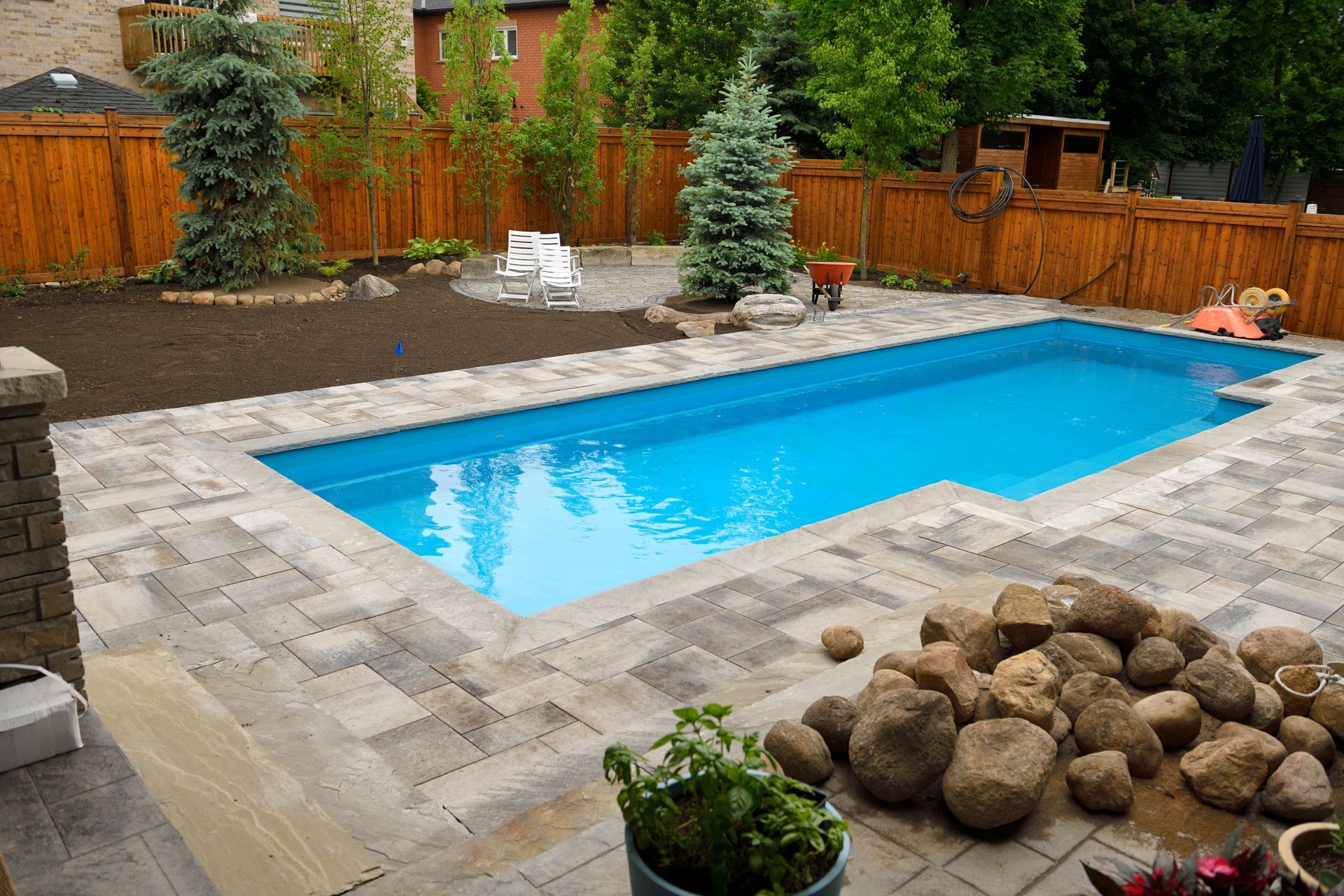
America's Swimming Pool Co. installs custom fiberglass pools using factory-molded shells that arrive as single-piece units, eliminating the seams and joints that require ongoing maintenance in other pool types. The installation process moves faster than traditional construction methods because the shell structure is already formed before it reaches your property. Homeowners in Kings Park choose fiberglass when they want a pool that resists algae growth and requires fewer chemicals over its lifespan.
The fiberglass shell bonds directly to the excavated foundation after plumbing and electrical lines are positioned, and the non-porous gel coat surface prevents algae from anchoring into microscopic surface pits. Multiple pool sizes and shapes accommodate different yard dimensions and usage patterns, from lap-style rectangles to freeform designs with integrated benches and tanning ledges. The installation timeline compresses significantly compared to gunite or vinyl construction because no curing period is required.
Schedule a property evaluation to review yard access, soil conditions, and shell sizing options for your specific backyard layout.
Why Fiberglass Shells Outlast Other Pool Surfaces
The gel coat finish on fiberglass pools is applied during factory manufacturing under controlled temperature and humidity conditions, creating a smooth surface that resists staining and requires no acid washing or replastering over time. Durable construction means the shell flexes slightly with ground movement rather than cracking, which matters in areas where freeze-thaw cycles or shifting soil can stress rigid concrete structures. Installation involves setting the shell, backfilling with gravel or flowable fill, and connecting plumbing systems that were pre-positioned during excavation.
Once the installation is complete, you'll notice the surface feels smooth without the rough texture of plaster, and the waterline stays cleaner because oils and debris don't cling to the non-porous finish. Weekly brushing takes less time, and you'll use fewer clarifying chemicals because the surface doesn't harbor the microscopic algae colonies that embed in porous materials. The shell color remains stable under UV exposure, so the pool looks consistent season after season without the fading or mottling that occurs with painted surfaces.
The installation includes excavation, shell placement, plumbing and electrical integration, backfilling, and deck preparation, but does not include hardscaping, fencing, or landscaping. Factors that affect the approach include yard access width for crane or lifting equipment, soil bearing capacity, and the need for additional grading to manage water drainage away from the pool perimeter.
What Homeowners Ask Before Installation Begins
Fiberglass pool projects raise practical questions about timing, site preparation, and long-term durability. These answers address the details that affect planning and installation decisions.
How does the installation timeline compare to other pool types?
Fiberglass pools typically require two to four weeks from excavation to water fill, depending on weather and site conditions, because the shell arrives pre-formed and no curing or drying period is needed after placement.
What site conditions affect whether fiberglass is the right choice?
Yard access must accommodate delivery of a one-piece shell, usually requiring at least an eight-foot-wide path for equipment, and soil must provide stable bearing capacity to prevent settling after backfilling around the shell perimeter.
Why does the surface require less chemical maintenance than plaster?
The gel coat finish is non-porous, meaning algae cannot root into surface pits the way it does in concrete or plaster, so you'll use less chlorine and fewer algaecides to maintain water clarity.
Can fiberglass pools handle freeze-thaw cycles in Kings Park winters?
The shell material flexes slightly with ground movement and temperature changes rather than cracking, which makes it more resilient in climates where soil expands and contracts seasonally.
What happens if the shell surface gets scratched or damaged years after installation?
Minor surface scratches can be buffed and recoated with gel coat repair kits, and deeper damage requires professional refinishing, but the structural integrity of the shell remains intact even if the finish is compromised.
America's Swimming Pool Co. handles site assessment, permitting coordination, and installation logistics from excavation through final water balancing. Request a detailed estimate based on your yard dimensions, access conditions, and preferred shell configuration to establish a timeline for your backyard project.