
Pool Borders That Handle Daily Wear
Pool Coping Installation in Kings Park for pools needing durable edge transitions between deck and water
Coping failure shows up as cracked edges, loose stones that rock underfoot, or separation gaps where water seeps behind the pool shell. America's Swimming Pool Co. installs natural stone, concrete, and brick coping that forms a watertight seal along the pool perimeter while providing a gripping surface for swimmers pulling themselves out of the water. The coping material you select determines how the edge withstands chlorinated water splashing onto it constantly and whether the surface stays cool enough to touch on summer afternoons.
Installation involves removing existing damaged coping, preparing the bond beam surface to accept new material, and setting each coping unit with proper overhang that directs drips back into the pool rather than down the shell face. Natural stone coping offers thermal mass that stays cooler than concrete on hot days, while poured concrete coping creates a monolithic edge without joints that can separate over time.
Arrange an on-site consultation to evaluate your current coping condition and discuss material options.
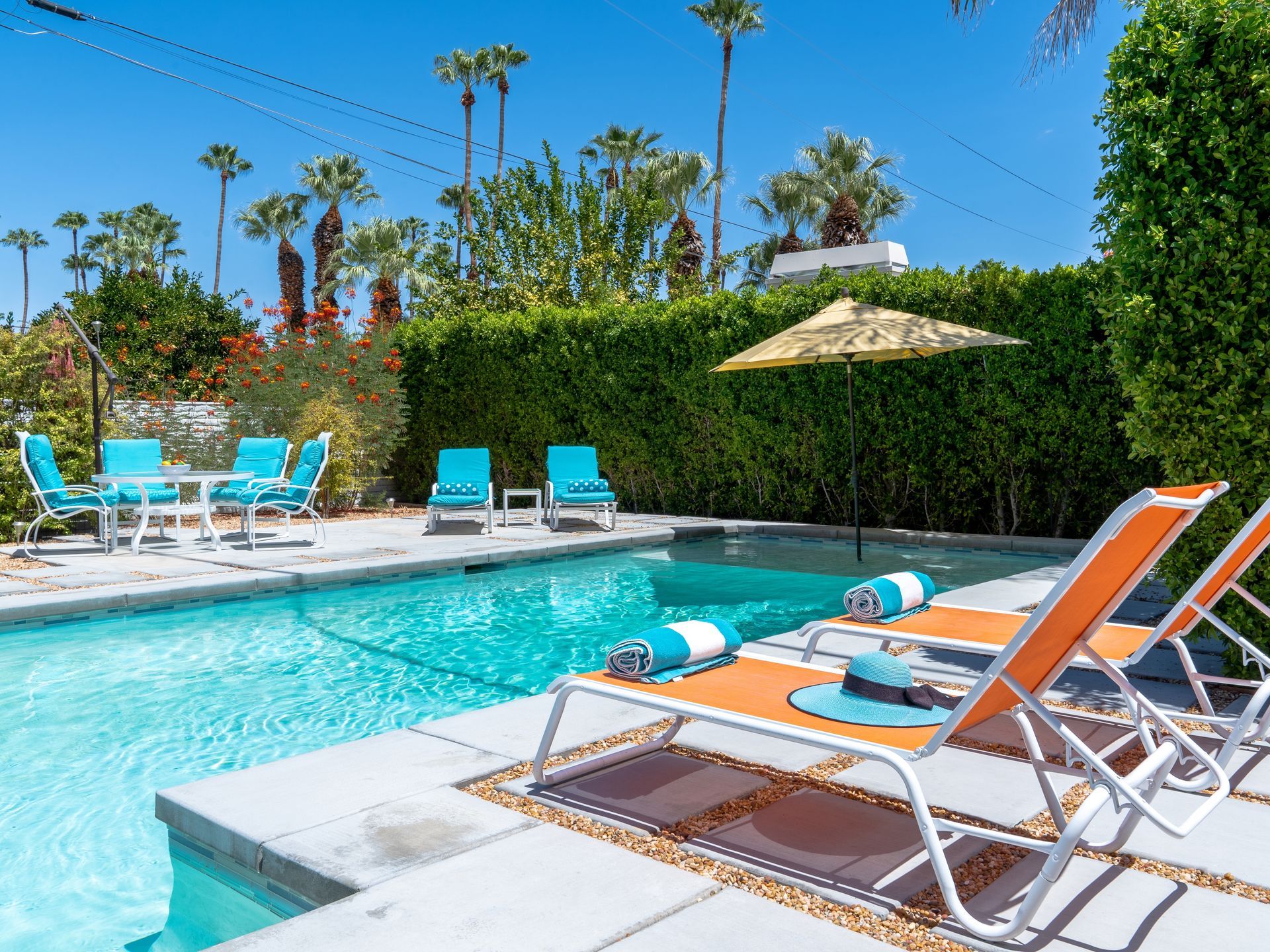
How Coping Installation Addresses Edge Deterioration
The coping replacement process begins with cutting out old material without damaging the pool shell or underlying bond beam. Each new coping piece is set in a thick mortar bed that fills voids and creates full contact across the bottom surface, preventing hollow spots where water could freeze and cause lifting. Joints between coping units receive flexible sealant that accommodates minor movement without cracking.
Once installed, you'll see a clean transition line where deck meets water, with no gaps that collect debris or allow water infiltration behind the shell. Brick coping provides traditional appearance with rounded bullnose edges, while modern edge finishes using cantilevered concrete or stone create sharp contemporary lines. The overhang distance is calculated so that water dripping from swimmers falls back into the pool rather than staining the shell or promoting algae growth on vertical surfaces.
Coping installation also includes addressing any bond beam damage discovered during removal, ensuring the substrate is structurally sound before new material goes down. Stone selection affects slip resistance when wet—some natural stones become slick with algae buildup, while others maintain texture even when saturated.
Answers to Frequent Service Questions
Homeowners in Kings Park typically ask about material performance differences, installation timing, and how coping choices affect overall pool appearance.
What causes coping to crack or come loose?
Coping fails when the mortar bed beneath it deteriorates from freeze-thaw cycles, when the bond beam itself cracks due to soil movement, or when improper installation leaves voids under the coping that allow flexing. Water infiltration accelerates deterioration by carrying dissolved minerals that weaken the bond.
How does natural stone coping differ from concrete?
Natural stone remains cooler to the touch because of higher thermal mass and lighter color reflection, but requires sealing to prevent staining from pool chemicals. Concrete coping can be formed to any shape and colored to match decking, though it absorbs more heat on sunny days.
When is the best time to replace pool coping?
Coping replacement works best during pool closing season when water level can be dropped below the bond beam for extended periods. Cold weather doesn't prevent installation, but mortar curing requires temperatures above 40 degrees for proper strength development.
What's the purpose of the overhang on pool coping?
The overhang, typically one to two inches, creates a drip edge that directs water back into the pool and shadows the pool shell to reduce algae growth on the vertical face. Without proper overhang, water runs down the shell and promotes staining.
Why do some coping materials cost significantly more?
Natural stone coping requires quarrying, cutting, and individual fitting of each piece with natural variation, while poured concrete coping uses formwork and can be installed continuously. Brick coping falls between the two in cost, offering uniform dimensions that speed installation compared to natural stone.
America's Swimming Pool Co. handles coping projects that restore structural integrity and improve the visual transition between your pool and deck. Contact our team to review material samples and discuss installation scheduling.